
Celebrating 40 years of mobile wireless in Canada
40 years ago, the first commercial cell phone services launched in Canada in summer 1985. In the years since, mobile wireless service has gone from what many considered an expensive novelty to something that has profoundly reshaped our daily lives.
From 1st generation to 5th
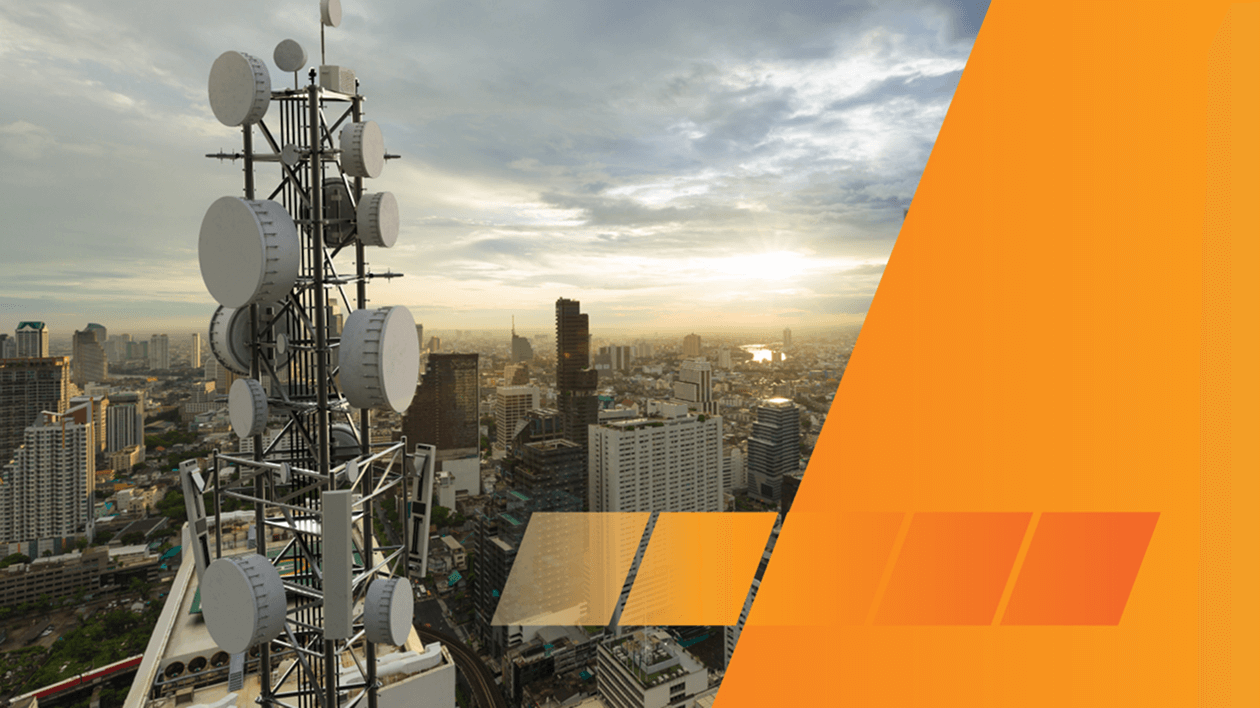
Thanks to massive investment by Canada’s wireless service operators, we’ve gone from the first generation of mobile wireless service (1G) that enabled limited voice calls to today’s high speed and high capacity 5G networks.
Along the way, Canadians have benefited from deeper connections, more opportunities, and a more enriching way to experience life’s big moments
How far we’ve come
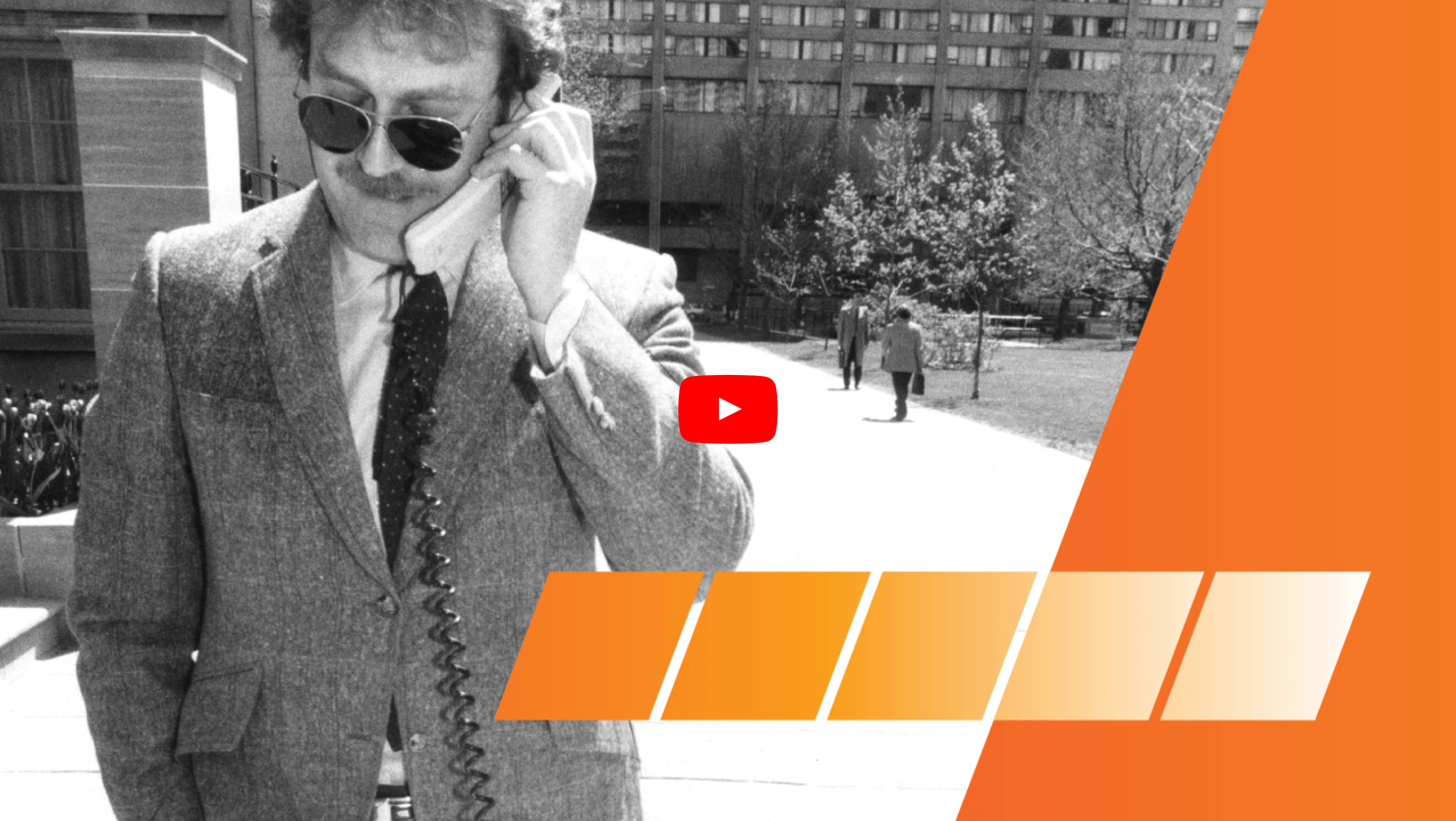
Canadian life looks a lot different than it did 40 years ago. That’s in no small part due to the differences between cellular phones and services in 1985 and today:
1980s

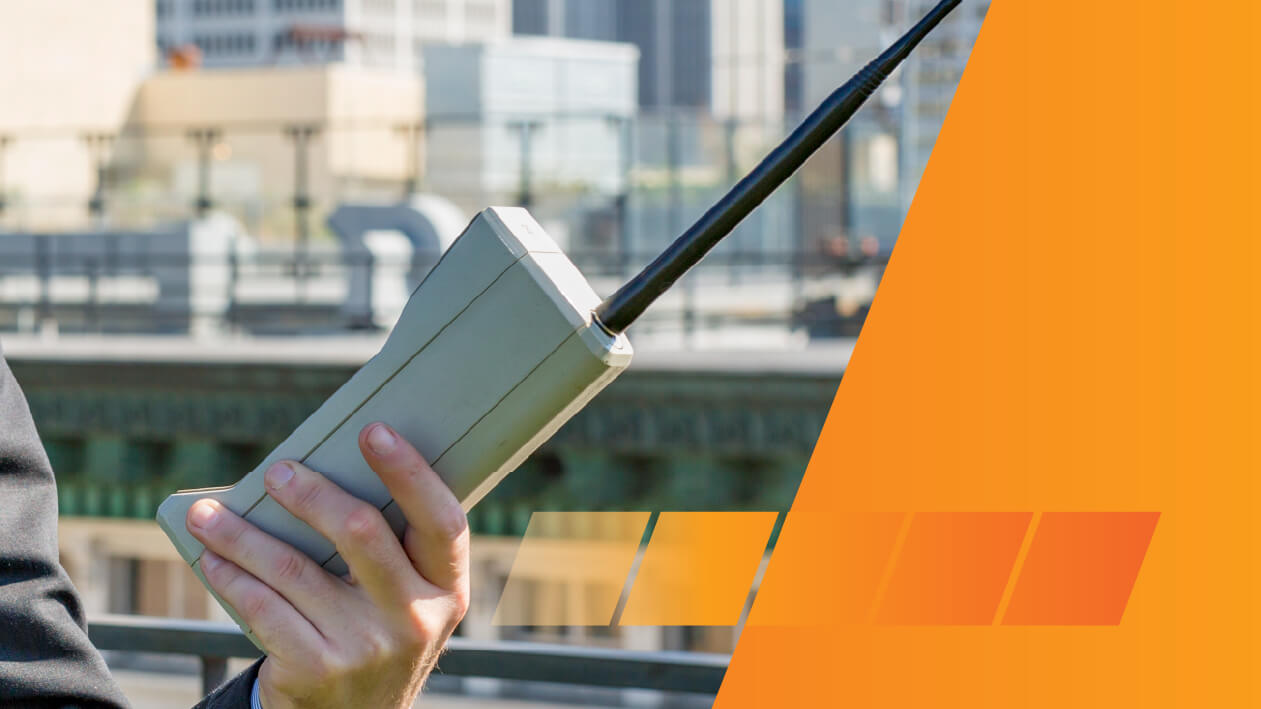
Size and Weight:
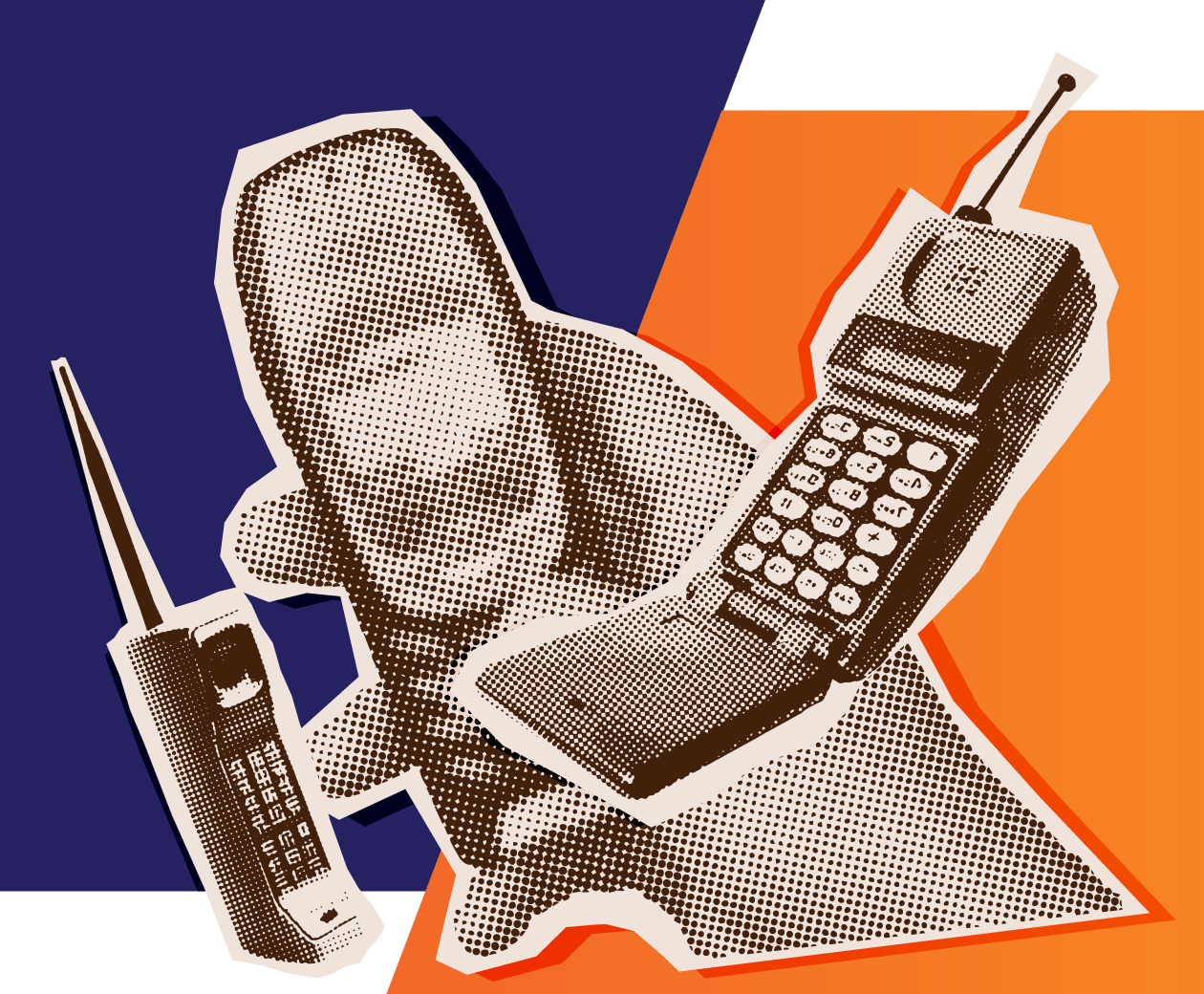
Large and bulky, often referred to as "bricks"

Battery Life:
Limited, with about 30 minutes of talk time and requiring hours to recharge

Cost:
Expensive devices and services that were charged per minute of use

Coverage:
Limited to a small number of urban areas
Today

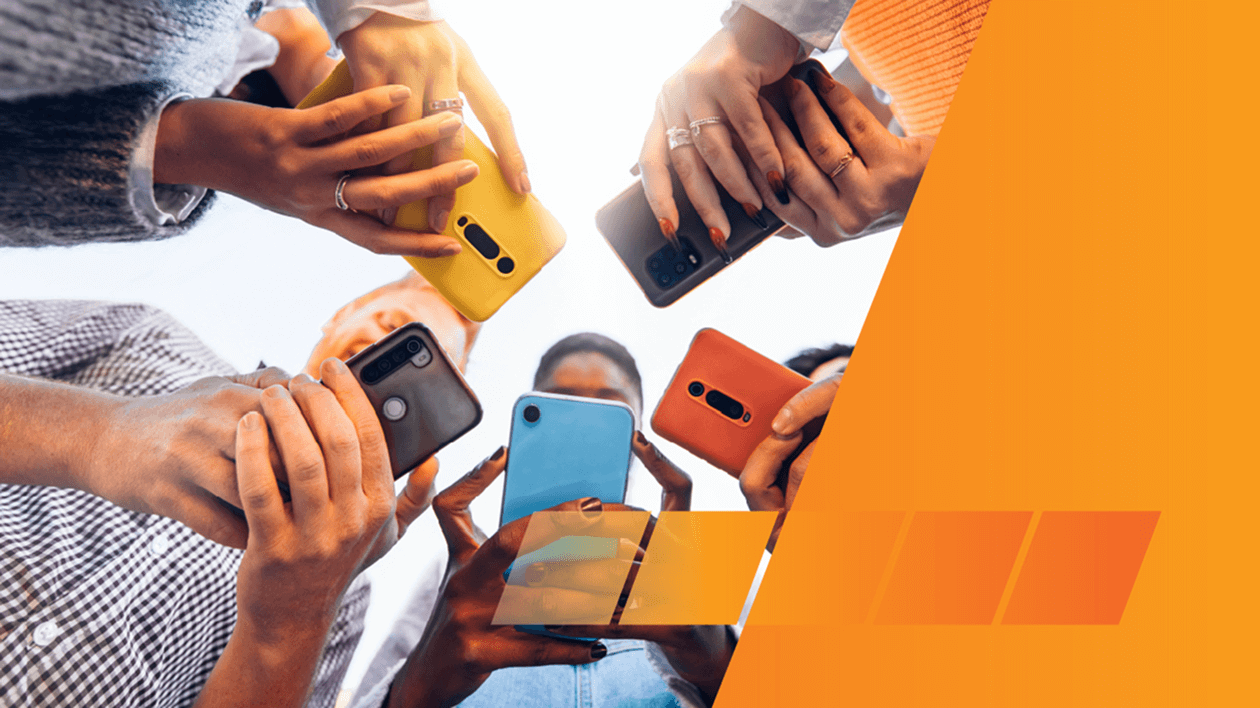
Size and Weight:
Slim, lightweight smartphones and other devices

Battery Life:
More powerful and efficient, often capable of lasting over a day on a single charge

Cost:
Wide range of phones and service plans to meet individual need and budget

Coverage:
Extensive coverage reaching 99% of Canadian homes and businesses
Evolution of wireless services
How we use our phones has also changed over the years thanks to the rapid advancements of mobile networks and device innovation. Each new generation of cellular technology has unlocked capabilities—from mobile internet to real-time video streaming—that simply weren’t possible before.
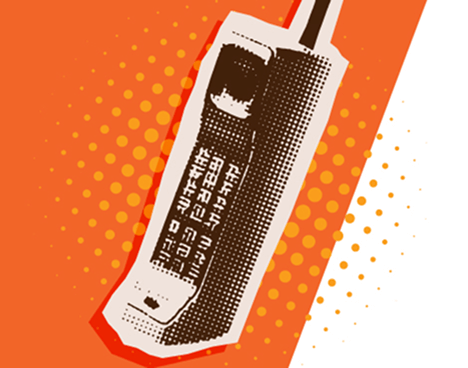
1G
Tech: Analog-based protocols
Use Cases: Voice calling
Speeds: 2.4 kbps
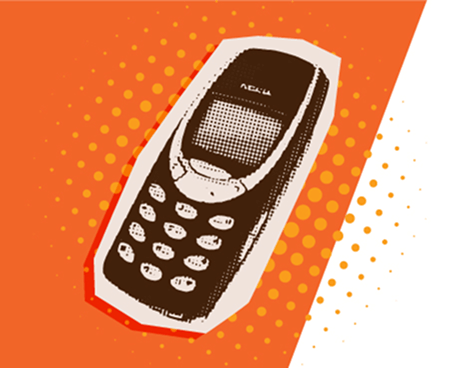
2G
Tech: First digital standards (GSM, CDMA)
Use Cases: Voice, SMS, limited data
Speeds: Up to 64 kbps
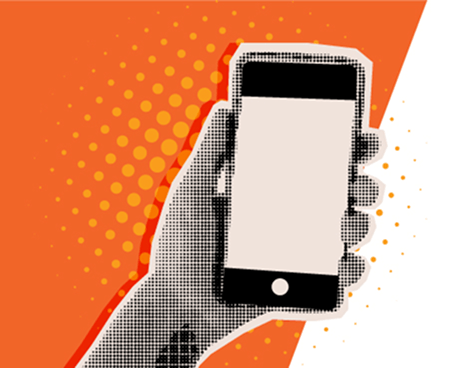
3G
Tech: First mobile broadband
Use Cases: Web browsing, email, basic video calling
Speeds: Up to 2Mbps
4G
Tech: IP-based protocols (LTE), true mobile broadband
Use Cases: HD video streaming, gaming, VoIP
Speeds: Up to 100 Mbps
5G
Tech: Millimeter waves, massive MIMO, beamforming
Use Cases: Ultra-HD streaming, AR/VR, autonomous vehicles
Speeds: Up to 2Gbps or more
How life has changed
Cellular connectivity has impacted all areas of life.

Relationships
Distance is no longer a barrier to connection. Mobile technology ensures that important life milestones—birthdays, weddings, graduations—can be shared instantly.
Work
With smartphones, cloud technology, and high-speed mobile networks, professionals now collaborate in real time, whether they’re in coffee shops or across continents.

Entertainment
Entertainment has evolved beyond traditional formats. Mobile devices bring streaming services, social media, and gaming into our pockets.

Public Safety
Mobile connectivity provides real-time updates during disasters and emergencies, location-based alerts, faster access to help, and improved coordination among first responders.
Made possible by massive investment
Though some were skeptical of the transformative effect cellular phone services would have on our lives, Canada’s wireless providers stayed true to the vision of industry pioneers. They invested billions of dollars per year to build Canada’s world-class wireless networks and paid over $29 billion to the federal government for the right to use the radio waves that deliver wireless communications. These efforts laid the foundation for the connected Canada we know today.
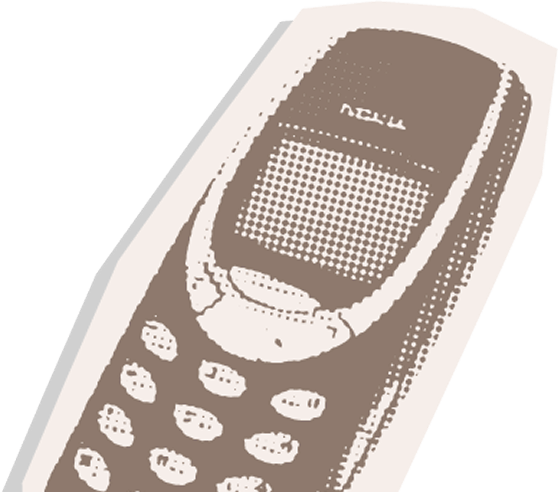
What was your first cell phone?
Getting your first mobile phone is a big occasion for most people. Let’s see if we can guess what your first cell phone was based on a few questions.